Protein and Menopause:
Why Women Over 40 Need More Than They Think
At a Glance
Protein needs increase during menopause due to muscle loss (sarcopenia), metabolic changes, and the role of protein in hormonal balance and bone density.
Women in midlife should aim for 1.2-2.0 grams of protein per kilogram of body weight daily — significantly more than standard general population recommendations.
Protein helps prevent sarcopenia (age-related muscle loss), supports bone density, boosts metabolism, balances blood sugar, and supports hormonal health during menopause.
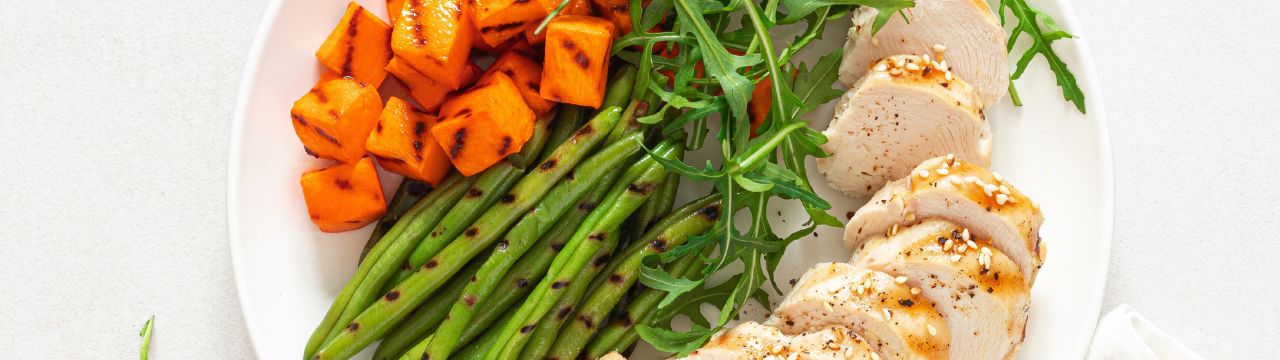
Complete protein sources (containing all 9 essential amino acids) include chicken, turkey, fish, eggs, Greek yogurt, and cottage cheese.
Plant-based women can meet their protein needs by combining foods (legumes + grains) and including tofu, tempeh, quinoa, hemp seeds, and edamame.
Protein is rarely stored as fat — unlike carbohydrates, the body actively uses it for tissue repair and rebuilding.
Pair protein intake with strength training or resistance exercise for maximum benefit to muscle mass, bone density, and metabolism.
If you struggle to meet protein needs through food alone, a pea or hemp protein powder added to smoothies or oats is a practical addition.
If you’re a health-conscious woman navigating your 40s, 50s, or beyond, you’ve likely heard that protein is essential for maintaining muscle, supporting a healthy metabolism, and fueling an active lifestyle. Whether you’re looking to stay strong, support healthy aging, or manage the changes that come with menopause, protein is a must-have in your diet.
But let’s face it—eating chicken, steak, or fish with every meal sounds exhausting (and expensive). The good news? You don’t have to eat meat at every meal to meet your protein needs.
In this article, I’ll break down everything we midlife women need to know about protein: why it’s critical for our health, how much we actually need, and the best protein sources to fuel our body—whether we prefer plant-based options, animal proteins, or a mix of both.
Why Protein Is Essential for Women Over 40
As we age, protein becomes even more important. This is why:
Prevents Muscle Loss: Women naturally lose muscle mass as they age (a process called sarcopenia), especially during menopause. Eating enough protein helps preserve lean muscle, keeping you strong and active.
Boosts Metabolism: Protein has a higher thermic effect than carbs or fats, meaning your body burns more calories digesting it. For midlife women looking to maintain or improve body composition, protein is a powerful ally.
Supports Bone Health: Protein plays a role in maintaining bone density, which is critical for preventing fractures and osteoporosis as you age.
Balances Hormones: During perimenopause and menopause, protein helps regulate blood sugar levels and supports overall hormonal balance, making it a key nutrient for managing this life stage.
How Much Protein Do Midlife Women Need?
If you’ve ever wondered how much protein you should be eating, you’re not alone. The answer depends on your activity level, goals, and overall health.
For midlife women, a good guideline is to aim for 1.2–2.0 grams of protein per kilogram of body weight. For example, if you weigh 68 kg, your daily protein goal would be roughly 82–136 grams.
If you’re strength training or trying to build muscle, aim for the higher end of that range. And don’t worry about overdoing it—unlike carbs, protein is rarely stored as fat, and your body puts it to work repairing and rebuilding tissues.
Protein Sources for Midlife Women
The best way to meet your protein needs is by including a variety of protein-rich foods in your meals and snacks. Here’s a simple framework to follow:
High-Protein Foods (Complete Proteins): These foods contain all nine essential amino acids your body can’t make on its own. Examples include:
Chicken, turkey, and lean beef
Fish and seafood (e.g., salmon, prawns, tuna)
Eggs
Greek yogurt and cottage cheese
Protein-Containing Foods: These foods provide protein but are lower in total protein content or may lack one or more essential amino acids. Examples include:
Absolutely! If you’re reducing your intake of animal products – or following a vegetarian or vegan diet – you can still meet your protein goals. However, it’s important to understand the differences between plant and animal proteins:
Animal Proteins: Naturally complete and provide all nine essential amino acids.
Plant Proteins: Often incomplete, but by combining different plant-based foods (like beans and rice, or hummus and whole-grain pita), you can get all the amino acids your body needs.
For midlife women, some of the best plant-based protein sources include:
Tofu and Tempeh: High in protein and versatile in recipes.
Quinoa: A complete protein and a great alternative to rice.
Hemp Seeds and Chia Seeds: Rich in protein, healthy fats, and fibre.
Edamame: An easy snack or addition to salads and stir-fries.
If you’re struggling to hit your protein target with food alone, consider adding a plant-based protein powder made from pea or hemp protein to smoothies or oatmeal.
The Protein Myth: Do You Really Need That Much?
Here’s the truth: the bare minimum amount of protein required for survival isn’t the same as the optimal amount for thriving. For midlife women, prioritising protein can make the difference between feeling sluggish and feeling strong, energised, and capable.
For healthy individuals, there’s no evidence that eating a higher-protein diet is harmful. In fact, it’s the opposite: eating enough protein is essential for maintaining muscle, bone health, and a healthy metabolism as you age.
The Bottom Line: Your Protein Blueprint for Midlife
Here’s how to make protein work for you:
Balance Animal and Plant Proteins: Include a mix of complete proteins like chicken, eggs, and fish, along with plant-based options like lentils, quinoa, and tofu.
Prioritise Variety: Eating a variety of protein sources ensures you’re getting all the essential amino acids your body needs for optimal health.
Pair Protein with Movement: Combine a protein-rich diet with strength training or resistance exercises to maintain muscle mass, support bone health, and boost metabolism.
Whether you’re navigating perimenopause, menopause, or just looking to age gracefully, protein is your best ally. With a little planning, you can hit your protein goals, fuel your body, and feel your absolute best.
About the Author
Sam Lluisé, BHSc Naturopath, Metabolic Balance Practitioner, and founder of Lotus Women’s Health supports women to move through hormonal transitions with clarity, confidence, and a renewed sense of self.
With a focus on menopause, mental wellness, chronic pain, and supporting women post-cancer, her approach integrates modern functional testing with traditional naturopathic wisdom, offering personalised herbal and nutritional protocols that honour both science and the individual.
Sam’s philosophy is simple. Your body is always communicating, and when you learn to listen, healing becomes possible. Working alongside you to restore balance, rebuild energy, and help you feel at home in your body again, creating a foundation for long-term vitality and wellbeing.
Medical review: This article reflects current naturopathic approaches and is based on the author’s clinical experience and training.
Book your free clarity call and let’s create a personalised plan that supports your body’s natural balance.
During menopause, declining oestrogen accelerates muscle loss (sarcopenia), reduces bone density, slows metabolism, and affects blood sugar regulation. Protein is critical for preserving lean muscle mass, supporting bone structure, maintaining metabolic rate, and stabilising hormonal balance. Women in menopause generally need significantly more protein than standard guidelines suggest — which are based on minimum survival requirements, not optimal midlife health.
How much protein do women need during menopause?
Research supports a protein intake of 1.2-2.0 grams per kilogram of body weight per day for women in midlife — more than the standard recommended daily intake of 0.8g/kg. For example, a woman weighing 68kg would aim for approximately 82-136 grams of protein daily. Women who strength train or are actively trying to build or preserve muscle should aim for the higher end of this range.
What are the best protein sources for menopausal women?
The best protein sources for women in menopause include: fatty fish like salmon (which also provides omega-3s for brain and joint health), eggs, Greek yogurt and cottage cheese, chicken and turkey, legumes (chickpeas, lentils, black beans), tofu and tempeh, quinoa (a complete plant protein), hemp seeds and chia seeds, and nuts and nut butters. A variety of sources ensures a complete amino acid profile and broad nutrient coverage.
Can I get enough protein on a plant-based diet during menopause?
For healthy women without kidney disease, current evidence does not support concerns about high protein intake causing harm. Eating at the higher end of the recommended range (1.5-2.0g/kg) is well-tolerated and beneficial for most menopausal women. If you have existing kidney conditions, always check with your healthcare provider before significantly increasing protein intake.
Does protein help with menopausal weight gain?
Yes. Protein has a higher thermic effect than carbohydrates or fats — meaning the body burns more energy digesting it. It also promotes satiety, reducing overall caloric intake. For menopausal women experiencing changes in body composition, particularly increased central adiposity (abdominal weight gain), prioritising protein alongside strength training is one of the most effective evidence-based strategies.
Can too much protein be harmful during menopause?
For healthy women without kidney disease, current evidence does not support concerns about high protein intake causing harm. Eating at the higher end of the recommended range (1.5-2.0g/kg) is well-tolerated and beneficial for most menopausal women. If you have existing kidney conditions, always check with your healthcare provider before significantly increasing protein intake.
Can a naturopath help with nutrition and protein during menopause?
Yes. A naturopath can assess your current dietary intake, calculate your individual protein needs based on your body composition, activity level, and health goals, and create a practical eating plan that makes hitting your protein targets enjoyable rather than stressful. Sam Lluise is a Brisbane-based BHSc Naturopath and Metabolic Balance Practitioner offering online consultations to women anywhere in Australia.