This article is general information and does not replace advice from your oncology team. Always discuss any dietary changes with your treating medical team during cancer treatment.
Food has been one of my own quiet allies through hard seasons of health. I know what it is to sit across from a plate of food and not know where to start, to feel too tired to cook, too nauseous to eat, or simply overwhelmed by every piece of advice coming at you at once. If you or someone you love is navigating cancer treatment right now, I want this to be the gentlest, most useful thing you read today.
Nutrition cannot replace your medical treatment, and it isn’t meant to. What it can do is work alongside it, quietly supporting your body through what is genuinely one of the hardest things it will ever do. This is always in partnership with your oncology team, never instead of it.
When considering how food supports treatment, I focus on protection, energy, immune support, and relief from side effects.
Your body is doing an enormous amount of repair work right now, and antioxidant-rich foods are one of the simplest ways to support it. Berries, leafy greens and artichokes are gentle, easy additions that bring real nutritional value without asking much of you.
When appetite drops, and it often does, the goal shifts from “eat more” to “eat smarter.” Calorie-dense foods like nut butters, avocado and seeds pack genuine energy into small portions, which matters enormously on the days when even a full plate feels like too much.
Refined sugar tends to give a quick lift followed by a harder crash, which is the last thing your body needs right now. Shifting toward high-fibre wholegrains and legumes instead helps keep your energy steadier through the day, and also helps ease constipation, one of the most common and least talked-about side effects of treatment.
These same complex carbohydrates carry B vitamins that quietly support your body’s ability to cope with everything treatment asks of it.
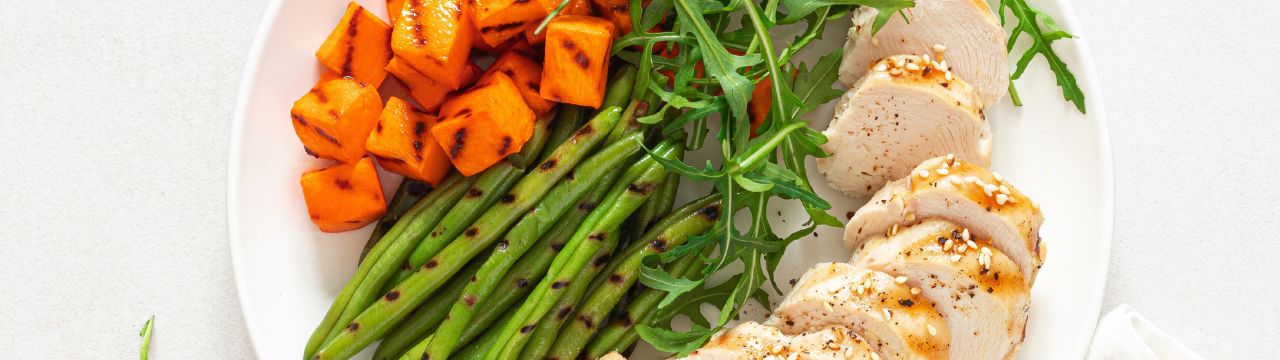
Treatment can temporarily weaken your immune system, which makes protein more important than ever. Lean proteins like salmon and chicken, alongside plant-based options like hummus, provide the amino acids, iron and zinc your body needs for tissue repair and wound healing.
Probiotic-rich foods like kefir and sauerkraut are a gentle addition here too, supporting your gut microbiome at a time when digestion often needs extra care.
If dry mouth or nausea are part of your experience, texture and timing can make a bigger difference than the food itself. Soft, moist foods, comforting broths and sauces, and small meals every few hours tend to sit far better than three large meals a day.
Soothing herbal infusions like ginger, mint and chamomile can also help ease digestion and settle nausea, gently, without adding another thing to manage.
A note from Sam;
Nourishing yourself through treatment is not about doing it perfectly.
Some days you’ll manage a full, balanced plate.
Other days, a few bites of something soft and comforting is enough, and that is enough.
Antioxidant-rich fruits and vegetables, calorie-dense foods for low appetite, and lean or plant-based proteins for immune support and tissue repair are all key focuses.
Yes. The right foods and timing can ease nausea, support digestion, and help manage fatigue, though nutrition works alongside your medical treatment, not in place of it.
Soft, moist foods, small frequent meals, and soothing infusions like ginger, mint or chamomile tend to help most.
A gentle, supportive approach built around your appetite and side effects, rather than a strict diet, tends to work best. Always discuss any changes with your oncology team.
Telehealth consultations available across Australia.
You don’t have to keep managing alone.
Want a plan built around where you are right now?
I’d love to help you build a nutrition plan tailored to your treatment stage,
your appetite, and your body’s needs today.
Disclaimer:
This article is general information and does not replace advice from your oncology team. Always discuss any dietary changes with your treating medical team during cancer treatment.
FREE GUIDE
because you deserve to feel like yourself again
A naturopath’s guide to eating more plants through menopause;
without giving up meat, and without the fatigue, brain fog or bloat.
No need to go vegan. Just more plants, alongside what you already eat.
Constant Fatigue
Stubborn Weight Gain
Bloating
Brain Fog
Always Hungry
THE RADIANT PLATE
Thank you!
You have successfully joined our subscriber list.